
Everyone carries something they’d rather hide.
Painful memories. Regret. Shame.
Secrets we tuck away and hope no one ever finds.
We call them “skeletons in the closet.”
For years, I kept mine locked away in a private place no one could enter. I guarded that door tightly, afraid that if anyone saw what was inside, I would be exposed.
But what I didn’t realize was this:
Those hidden things were shaping my life.
They affected my thoughts, my decisions, and the direction I was going. No matter how hard I tried to move forward, I kept repeating the same patterns.
You can’t move forward while dragging the past behind you.
At some point, the closet has to be opened.
Not to relive the pain—but to heal from it.
Step One: Acknowledge
You can’t heal what you refuse to face.
Take an honest look at your life.
What are the moments you avoid thinking about?
What story are you carrying that still defines you?
For me, that story began in a dysfunctional home.
I became the strong one—the protector—taking on responsibilities far beyond my years.
Later, I spent years in an abusive marriage and experienced the devastating loss of my children.
Those were the parts of my life I tried to bury.
But they were still shaping me.
So ask yourself:
What is your story?
Step Two: Feel and Face It
Healing requires action.
This is the hardest step—because it means allowing yourself to feel what you’ve been avoiding.
The anger.
The grief.
The fear.
The loss.
For years, I pushed those emotions down. But when I finally faced them, they came all at once.
And that was okay.
I permitted myself to feel everything—to be angry, to grieve, to acknowledge the pain.
One of the most powerful things I did was write an open letter, releasing emotions I had held onto for years.
You don’t heal by ignoring the past.
You heal by walking through it.
Step Three: Accept
There are things we cannot change.
Acceptance doesn’t mean what happened was okay.
It means you stop letting it control you.
I had to accept the loss of my children.
I had to face the choices I made and understand where they came from.
And I had to release the weight of guilt and failure I carried for so long.
When you accept what you cannot change, something shifts.
Your mind begins to renew.
Your heart begins to heal.
Step Four: Learn and Let Go
Healing isn’t just about looking back—it’s about moving forward.
When you process your pain, you create space for growth.
For me, writing became part of that healing.
The person who once stayed silent out of fear is now sharing openly.
That’s what happens when the closet door opens.
The darkness loses its power.
And light takes its place.
Through faith, I found the strength to let go—and to walk in a new direction.
You Don’t Have to Stay Stuck
Everyone has a closet.
But you don’t have to live there.
When you acknowledge your story, face your pain, accept what you cannot change, and choose to grow, you begin to experience real freedom.
Healing is uncomfortable.
But it’s also where transformation begins.
Reflection
What are you still holding onto?
What would it look like to finally open that door?
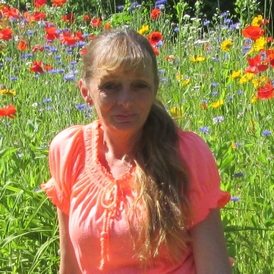
Is a reflective life writer and author of the upcoming memoir The Secret Darkness: Overcoming Abuse and Finding Freedom. Her writing explores healing, faith, creativity, and the journey of restoring scattered remnants into something beautiful again.
Leave a Reply