Healing after domestic violence is not simple.
It requires you to look back—honestly—at who you were, what you endured, and how those experiences shaped your life.
Because what happens to us doesn’t stay in the past.
It shows up in our thoughts, reactions, and choices.
At its core, domestic violence is often the collision of two broken people.
I know this because I lived it.
For over 20 years, I carried the weight of what I had been through.
Healing—emotionally and spiritually—didn’t happen overnight.
But through it all, I held onto one truth:
God never left me.
Reflect: You Can’t Heal What You Don’t Acknowledge
Healing begins with reflection.
Looking back isn’t about reliving the pain—it’s about understanding it.
When you reflect on your life, you begin to see patterns more clearly:
- What led you into certain situations
- What kept you there
- And what needs to change moving forward
Reflecting on Childhood
I grew up in a dysfunctional home.
There was little guidance, little stability, and at times, neglect and abuse. I learned early how to survive.
I became strong—but not in the way a child should have to be.
I was the protector. The caregiver. The one who stepped in when things weren’t right.
What I didn’t realize then was this:
What we grow up around often feels normal—even when it isn’t.
Reflecting Before Marriage
I was 17 when we started dating.
Early on, there were warning signs.
Control. Anger. Manipulation.
I recognized them—but I didn’t fully understand them.
Looking back now, I can see clearly what I couldn’t see then:
I should have walked away.
But without guidance or support, I didn’t know how.
Reflecting on the Abuse
After becoming pregnant, we married when I was just 18.
Not long after, everything changed.
What followed were years marked by fear, confusion, and isolation. I felt trapped in a situation I didn’t know how to escape.
Domestic violence isn’t just physical—it’s emotional, mental, and deeply controlling.
And one of the most painful parts is this:
You begin to lose yourself.
The Question Everyone Asks: “Why Stay?”
People often ask:
- Why didn’t you leave?
- Why did you stay?
But those questions don’t reflect the reality of the situation.
I stayed because I felt alone.
I had no support, no resources, and no clear way out.
When you are in that place, survival becomes your focus—not escape.
And leaving is not as simple as people think.
When I finally did leave, it came at a cost.
But it also marked the beginning of something new.
Years Later: Facing the Past
More than twenty years later, our paths crossed again.
He reached out with an apology.
And for the first time, I saw something I hadn’t seen before:
Change.
Not excuses. Not denial.
But acknowledgment.
And in that moment, I realized something important:
Healing had already begun in me.
Because I had already forgiven him.
Healing and Forgiveness
Forgiveness is not about excusing what happened.
It’s about releasing the hold it has on you.
Through my faith, I found something I didn’t think was possible:
Peace.
“And the peace of God, which surpasses all understanding, will guard your hearts and minds through Christ Jesus.” — Philippians 4:7
God gave me the strength to forgive.
He renewed my mind and softened my heart.
And through that process, I found freedom.
Moving Forward
Healing from domestic violence is a journey.
It requires honesty.
It requires courage.
And it requires support—both human and spiritual.
But healing is possible.
You are not defined by what happened to you.
You are not alone in your journey.
And with time, truth, and faith—
Your heart can heal.
Reflection
What part of your story still needs healing?
What would it look like to begin that process today?
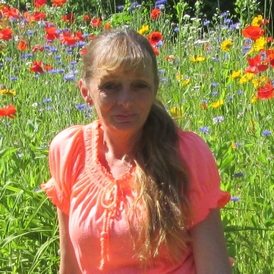
Is a reflective life writer and author of the upcoming memoir The Secret Darkness: Overcoming Abuse and Finding Freedom. Her writing explores healing, faith, creativity, and the journey of restoring scattered remnants into something beautiful again.
Leave a Reply